Sep 01 2010
The city of Lalejin in Hamedan (همدان)
The city of Lalejin in Hamedan (Persian: همدان) Province, [Coordinates: 34°48′N 48°31′E] with a population of 55,000, lies 20 kilometers northwest of the provincial city of Hamedan and is considered one of the leading ceramic centers of Iran.
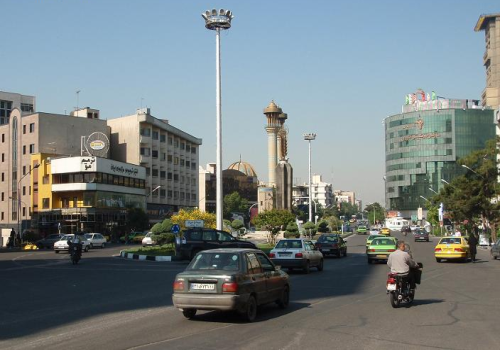
Hamedan is the capital city of Hamadan Province of Iran. It had an estimated population of 550,284 (in 2005) and is believed to be among the oldest Iranian cities and one of the oldest in the world.

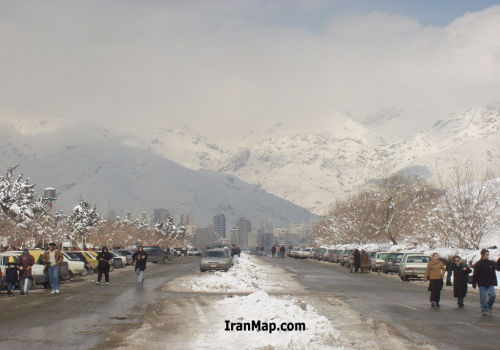
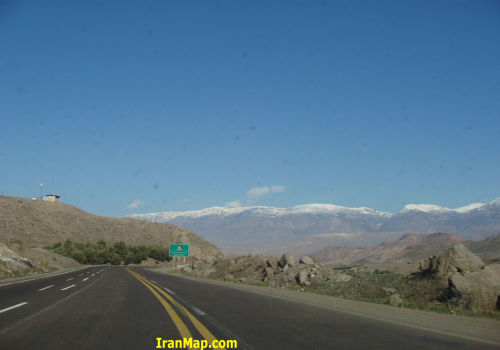
Hamadan has a green mountainous area in the foothills of the 3574-meter Alvand Mountain, in the midwest part of Iran. The city is 1850 meters above sea level. According to archaeologists and historians, this ceramic producing city has a long historical record dating back 7500 years to ancient Persia, as revealed by excavations in recent years at Ecbatana Hill, Gyan in Nahavand and Nushijan in Malayer in Hamedan Province.
During the invasion of Mongols, only seven craftsmen survived the barbaric onslaught and these artisans managed to revive the ceramics industry once again.

As you stroll through the ancient city, you see how people from all walks of life are heavily involved in their ancestors’ tradition of creating works of art.
The majority of local residents earn their bread and butter from this craft ranging from utensils to decorative items.
The Khoshuei Brothers are among the outstanding artisans of Lalejin who have created the most significant works of art over the last half a century.These craftsmen not only have preserved the traditional Persian arts but also have introduced a number of innovations themselves.

Most foreign and domestic tourists are enthusiastic to purchase local handicrafts such as ceramics, leather products, traditional Iranian glasses, kilims, wooden crafts and a variety of other traditional items.
Deputy Director of the Hamedan Cultural Heritage, Tourism and Handicrafts Organization, Behjat Abbasi said, “With 900 workshops and 3900 employees, Lalejin is the capital city of ceramics in Iran.”
According to the official, pottery production in recent years has undergone a process of major change, including changes in coloring compounds both in traditional and industrial paintings, and the introduction of modern furnaces to replace the traditional ones.”